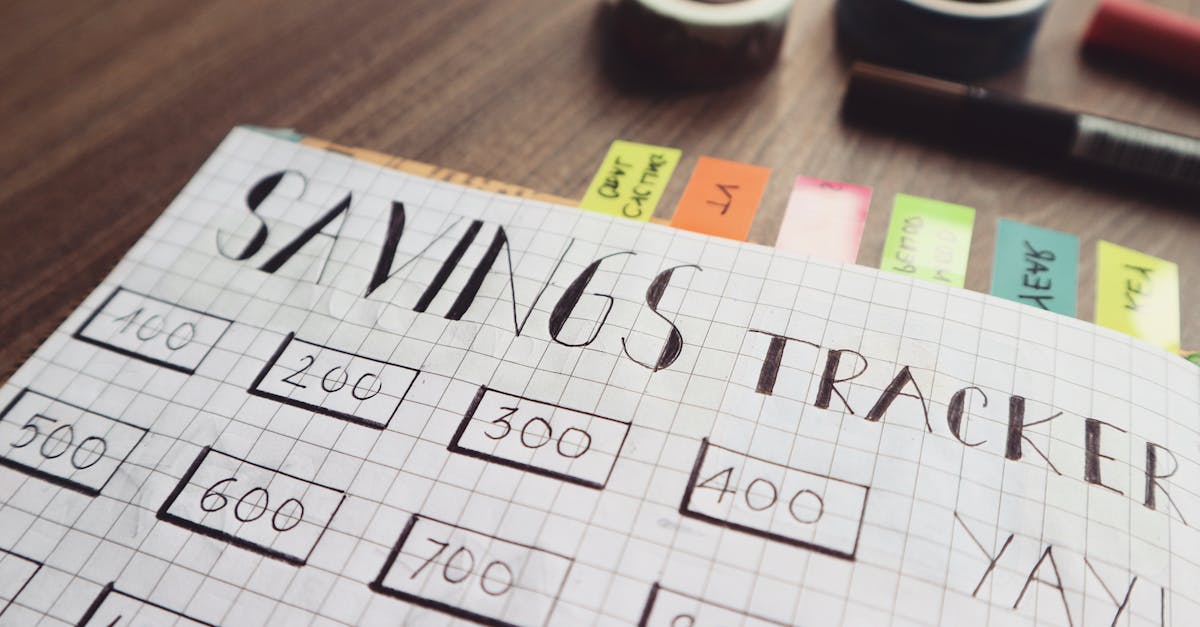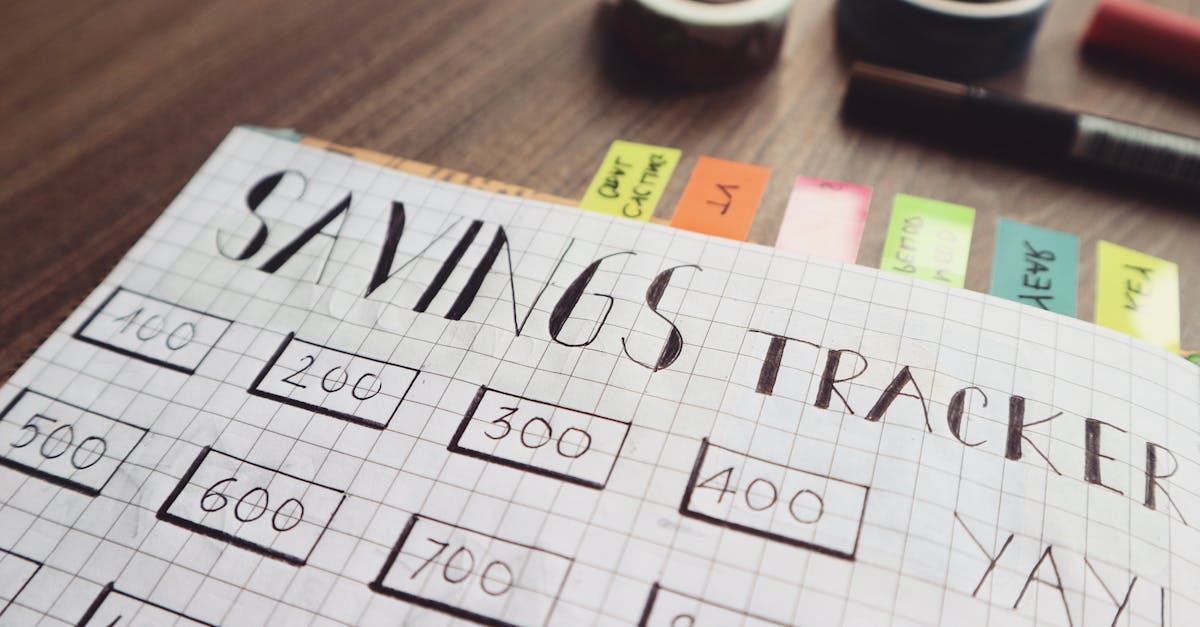
The Magic of Automatic Savings: Pay Yourself First
Have you ever looked at your bank account at the end of the month and wondered where all your money went? We have all been there. It is the classic struggle of living paycheck to paycheck, even when you earn a decent living. The secret to breaking this cycle is not necessarily earning more money; it is changing how you treat the money you already have. Think of automatic savings as putting your financial goals on autopilot. When you remove the decision making process from the act of saving, you eliminate the temptation to spend those funds on things that do not actually move the needle for your future.
Why Should You Automate Your Savings?
Willpower is a finite resource. If you wait until the end of the month to see what is left over, you will almost certainly find that there is nothing left. By automating your savings, you are practicing a concept known as paying yourself first. You treat your savings contribution like a non negotiable bill that must be paid before you spend a dime on entertainment or dining out. It is the difference between hoping to save and guaranteed growth.
Step One: Assessing Your Current Financial Landscape
Before you can automate, you need to know your battlefield. Start by tracking your spending for at least thirty days. Use a simple spreadsheet or a budgeting app to see exactly how much is flowing in and out. You cannot set an effective savings rate if you do not know your baseline expenses. Ask yourself, are you spending too much on subscription services you never use or frequent takeout meals? Knowing this helps you identify exactly how much you can realistically funnel into your savings every month without feeling like you are depriving yourself of your lifestyle.
Setting Your Savings Goals with Precision
Vague goals like “I want to save more” usually lead to vague results. You need specific milestones. Are you saving for a house down payment, a new car, or just a safety net for a rainy day? Break these down into dollar amounts and timelines. If you need ten thousand dollars in two years, that is roughly four hundred and seventeen dollars per month. Now, you have a concrete number to automate. Having a target turns saving into a game you can track and win.
Selecting the Right Bank Accounts
Do not keep your savings in your primary checking account. If the money is sitting right there next to your debit card balance, you will be tempted to spend it. Open a separate high yield savings account. Ideally, choose one at a different bank than your primary checking account. This creates a psychological barrier that makes it slightly less convenient to transfer money back and spend it, which is actually a great thing when it comes to long term discipline.
Prioritizing Your Emergency Fund
Before you start investing for retirement or saving for that dream vacation, you must build an emergency fund. This is your financial armor. Aim for three to six months of living expenses. This money sits in your automatic savings account waiting for the unexpected, like a car repair or a sudden medical bill. Once you have this cushion, the stress of unexpected life events diminishes significantly.
The Power of Split Direct Deposit
This is the most effective way to save because you never even see the money in your checking account. Most employers allow you to split your direct deposit into multiple accounts. Set it up so that a specific percentage or dollar amount goes directly into your savings account, and the rest goes to your checking account. By the time your paycheck hits, the savings portion is already safely tucked away. It is like a secret tax you pay to your future self.
Setting Up Recurring Bank Transfers
If your employer does not offer split direct deposits, do not worry. You can set up automatic, recurring transfers within your online banking portal. Schedule these transfers for the day after you get paid. This ensures the money is moved when your balance is at its highest. You can set up these transfers to occur weekly, biweekly, or monthly depending on your pay cycle.
Leveraging Round Up Programs
Many modern banks and fintech apps offer programs that round up your debit card purchases to the nearest dollar and deposit the change into your savings. While these amounts seem small, they add up faster than you might think. It is a painless way to grow a “hidden” stash of cash without having to budget for it intentionally. Over a year, this can amount to several hundred dollars that you would have otherwise spent on minor incidental purchases.
The Benefit of High Yield Savings Accounts
Why let your money sit in a traditional savings account earning practically zero interest? A high yield savings account typically pays significantly more interest, which means your money is actually working for you while it sits there. Think of it as a small bonus for your discipline. Even though interest rates fluctuate, the difference between a traditional account and a high yield account is significant over several years.
How to Track and Adjust Your Savings
Automation does not mean neglect. Once a quarter, take a look at your savings growth. Are you hitting your targets? Have you had a raise at work? If you find you have extra money left over in your checking account at the end of the month, increase your automated transfer amount. If you find yourself struggling to pay bills, scale it back. The key is to keep the system running but stay involved enough to optimize it as your income grows.
Common Pitfalls to Avoid
The most common mistake is failing to account for irregular expenses. If you have an annual insurance payment due in December, your monthly budget needs to reflect that. If you only look at your monthly expenses, these annual bills will catch you off guard and force you to raid your savings. Use a separate “sinking fund” for these predictable but irregular costs so your core savings account stays intact.
Scaling Up as Your Income Increases
When you get a raise, it is tempting to inflate your lifestyle to match your new income. This is called lifestyle creep, and it is the enemy of wealth building. Instead of spending your raise, commit to increasing your automatic savings rate by half of the raise amount. You still get to enjoy more money, but you are also accelerating your savings goals significantly.
The Psychology Behind Set and Forget
There is a powerful psychological benefit to automating your finances. It removes the guilt and stress of decision fatigue. Every time you make a conscious decision to save, you are exerting effort. By automating, you build the behavior into your life as a habit rather than a choice. Habits are much harder to break than choices, which is exactly why this method works so effectively for long term success.
Final Thoughts on Financial Freedom
Setting up automatic savings is the single most effective way to secure your financial future. It requires a bit of upfront effort to configure your accounts and payroll, but the long term payoff is complete peace of mind. By paying yourself first, you are showing respect for your future self and building a foundation that can withstand life’s unpredictable turns. Start small if you have to, but start today. Once you see the numbers climbing without you having to lift a finger, you will wonder why you did not do it sooner.
Frequently Asked Questions
1. Can I set up automatic savings if I have a variable income?
Absolutely. If your income varies, you can set a baseline amount that you are comfortable saving during your leanest months and then manually transfer additional amounts during your more profitable months. You can also base your automated amount on your lowest expected monthly income to ensure consistency.
2. Is it safe to link my bank accounts for automatic transfers?
Yes, major financial institutions use high level encryption to protect your data. Ensure you are using reputable, established banks and always use two factor authentication on your accounts to add an extra layer of security.
3. Should I stop automating if I have high interest debt?
It depends on the interest rate. If you have high interest credit card debt, it usually makes sense to prioritize paying that off before aggressive saving, beyond maintaining a small starter emergency fund. Once the high interest debt is gone, you can redirect those payments into your automated savings.
4. How often should I increase my savings rate?
There is no rule, but a good practice is to review your budget every six months or whenever you experience a change in income. Even a small increase in your automated transfer, such as one percent more of your paycheck, makes a massive difference over time due to compounding.
5. What if I need to take money out of my automatic savings?
Life happens, and that is what the emergency fund is for. If you have to dip into your savings, do not beat yourself up. Just be sure to restart your automated process as soon as you are able to get back on track. The beauty of automation is that it resumes the moment you have money to save again.